

PeCOD® COD/BOD Analyzer
Fast. Configurable. Green.
With zero hazardous chemicals and results in just 10 minutes, MANTECH’s PeCOD® analyzers deliver reliable testing across laboratory, portable, and online applications.

Chemical Oxygen Demand & BOD Estimation (COD/BOD) Analyzer
Sustainable and safe, PeCOD® delivers reliable Chemical and Biochemical Oxygen Demand results in under 10 minutes using patented nanotechnology. Its mercury- and dichromate-free chemistry eliminates hazardous reagents while adapting easily to wastewater testing. Trusted in wastewater plants worldwide, PeCOD® helps facilities reduce costs, improve efficiency, and protect both operators and the environment.
Models and Specifications
Benchtop L50
The Benchtop L50 PeCOD® COD Analyzer is MANTECH’s base model for use in industrial, municipal or government and academic lab settings.
System Benefits
- Small footprint (280 x 210 mm, 11.00 x 8.25 in)
- Ease of Use
- Supports multi-point grab sampling throughout the treatment train
- Upgradable to Automated or Online systems for use in both lab and plant environments
Portable L50
PeCOD® is also available in a portable unit. Just add the battery and carrying case and COD can be measured in the field without the need to transport toxic or hazardous reagents.
System Benefits
- Small footprint (508 x 355.6 x 609.6 mm, 20 x 14 x 24 in)
- Convenient case with wheels (weighs approximately 16 kg, 35 lb with analyzer & supplies)
- No sample digestion is required, making it a truly portable technique
- MANTECH’s MANTECH Pro™ software adds automation and a sleek user interface
Automated L50
The Automated L50 PeCOD® COD Analyzer provides unattended analysis for a large number of samples.
System Benefits
- Unattended, continuous analysis of 100s of samples
- System is pre-calibrated before the start of each work day
- Additional parameters can be added on, including pH, EC, alkalinity, BOD and turbidity
Online L50
The Online L50 PeCOD® COD Analyzer will autonomously grab samples from a low flow line or wastewater tank, at scheduled time intervals.
System Benefits
- Save time and money through process optimization with real time COD/BOD monitoring
- Option to add automated pH adjustment and dilutions
- Additional parameters can be added on, including pH, conductivity, alkalinity, and ammonia
- Human Machine Interface (HMI) touchscreen to allow ease of control of the analyzer by operators
Autonomous Solutions
The Online L50 PeCOD® COD Analyzer autonomously collects samples at scheduled time intervals. Get real-time COD/BOD monitoring with automated sampling, flexible parameter options, and simple touchscreen control for efficient daily operations.

Start with MANTECH Solutions. Automated. Accurate. Green.
Connect with our team today to optimize your workplace with MANTECH’s automated, green-method analyzers that eliminate human error and maximize lab throughput.
Clients Committed to Better Water Globally


Featured Case Study:
PeCOD® Case Study – Industrial Waste Water
Industrial Waste Water PeCOD® Case Study #02 Clean Harbors is an industrial wastewater treatment facility in Guelph, Ontario. The facility utilizes highly refined, chemical precipitation processes, which remove heavy metals, suspended solids, and organics to generate safe effluent for discharge into municipal sewer systems. Wastewater is treated to meet municipal discharge requirements for biochemical oxygen […]
Benefits of the PeCOD® Portable COD/BOD Analyzer
1
Rapid, Accurate Results
PeCOD® delivers the fastest real-time COD results while lowering chemical and energy costs.
2
Safe & Green Chemistry
Nanotechnology that has higher oxidizing power. No chemical use, simple to use, gives a true measure of COD.
3
Strong Correlation to BOD5
Proven across municipal and industrial wastewater applications, PeCOD® delivers accurate BOD screening results in minutes instead of days.
4
One Tech, Multiple Configurations
Available in multiple configurations, it delivers robust performance and the flexibility to adapt to your laboratory’s needs.
Industry Applications

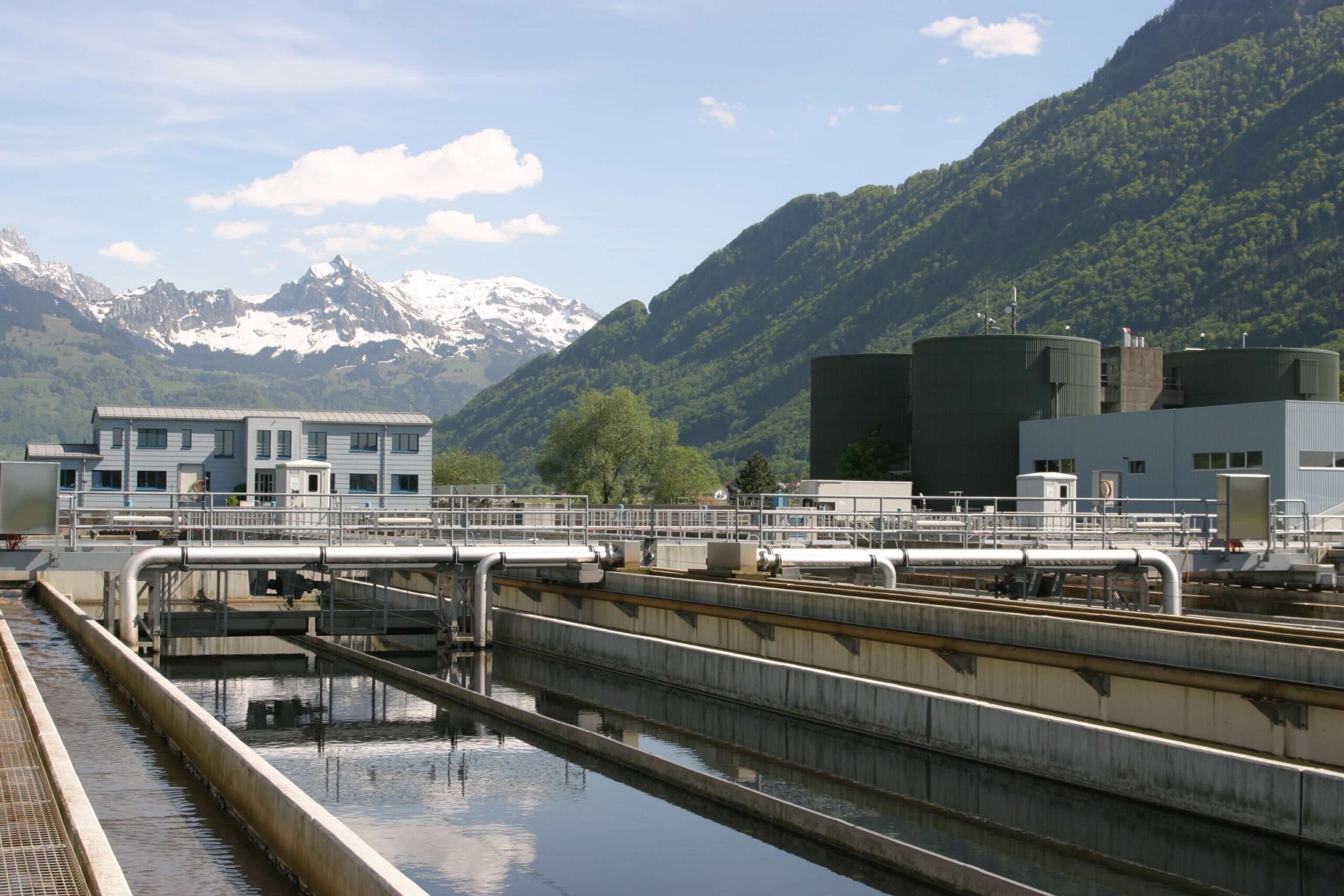
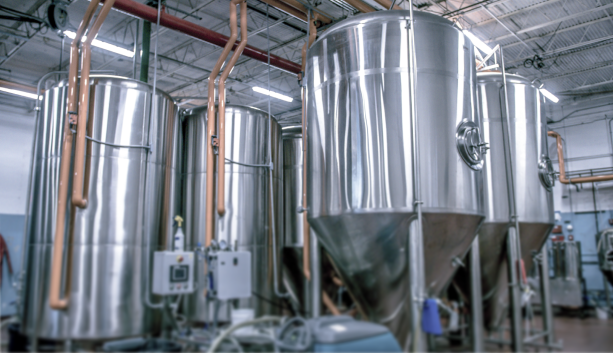
Proven Performance.
Trusted by Laboratories Worldwide.
Support and Maintenance
From routine maintenance to advanced troubleshooting, MANTECH ensures your system runs at peak performance. With remote diagnostics, responsive field service, and expert repairs, we minimize disruptions and extend the life of your equipment.
Learn how our service solutions are built to protect your investment and optimize performance.

Frequently Asked Questions
Does PeCOD® conform to regulatory standards?
PeCOD® is utilized as an internal process control tool to make impactful real-time decisions.The PeCOD® conforms to regulatory standards such as the ASTM International Method D8084, the Ministry of Environment, Conservation and Parks, Ontario (MECP) method E3515, and the Health Canada Guidance on drinking water. The ASTM International method for photoelectrochemical oxygen demand is approved for measuring organics in freshwater sources and treated drinking water. The Ontario MECP method E3515 replaced the standard dichromate methods due to the fact that no harmful chemicals are used in the peCOD method. This method now includes PeCOD® as an approved alternate COD method in the Municipal and Industrial Strategy for Abatement (MISA). The PECOD method is also referenced in the Health Canada Guidance on Natural Organic Matter in Drinking Water. COD has been added as a parameter with a <5ppm limit, only the peCOD method is referenced for the parameter, and peCOD is also referenced as a “parameter” to monitor in source waters for drinking water plants. Learn more here.
How does the PeCOD® method compare to BOD, TOC, and conventional COD?
BOD and COD methods differ from TOC because they measure the amount of oxygen that is depleted by organic species in water. There are several common methods to test wastewater and drinking water for organic pollutants, natural and chemical. Chemical Oxygen Demand (COD), Biochemical Oxygen Demand (BOD) and, Total Organic Carbon (TOC) compromise the three main methods of testing water samples. BOD and COD methods differ from TOC because they measure the amount of oxygen that is depleted by organic species in water. Moreover, TOC is a measure of all carbon (both organic and inorganic), rather than the oxygen that is reduced by these species. As written by a TOC manufacturer, “TOC on its own sheds no light on the oxidizability of the measured carbon or the amount of oxygen needed for its biodegradation.” Specific to COD, it measures the reactive fraction of the TOC. This is also known as oxidizability in the European Union. View the full article: Comparison of COD, BOD and TOC Methods for organics, which summarizes the advantages and disadvantages of the COD, BOD and TOC methods, and compares them to the PeCOD method.
How does the PeCOD® analyzer determine oxygen demand?
The PeCOD® analyzer performs advanced oxidation on a small volume of sample. As the reaction proceeds, electrical charge is generated proportional to the oxygen being consumed. The PeCOD® analyzer captures this generated charge, plotting the output current from the reaction over time as shown below. The area under the curve generated by plotting current over time is proportional to the oxygen demand of the sample. A blank charge is also determined for each sample, and subtracted from the total charge to ensure accuracy.
View the detailed overview of peCOD technology and calculations here.
